- 2690 Cobb Pkwy Ste A5, Smyrna GA 30080
Follow Us:
Advancing early diagnosis, community support, and equitable care
Medical Diagnosis
Early screening, treatment access, and coordinated action
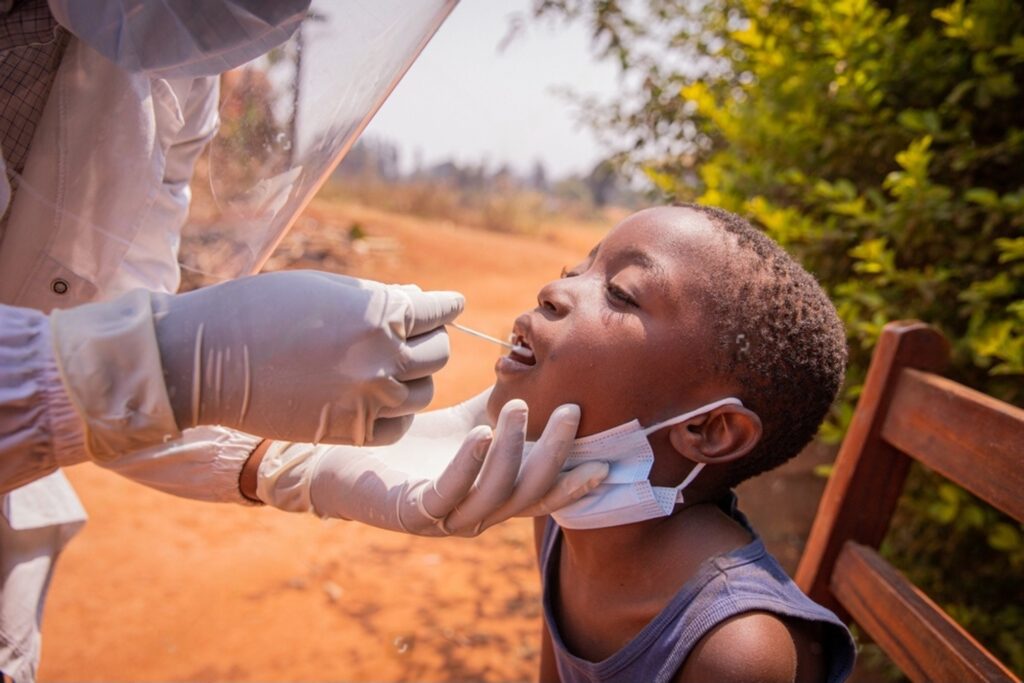
Our objective is to ensure that individuals receive timely diagnosis, essential nutritional support, and access to effective treatment for these conditions.
Financial assistance is crucial for logistical processes and early detection initiatives. Proactive identification plays a vital role in addressing this crisis, requiring coordinated efforts from government agencies, the public, and reputable non-profit organizations to mitigate the impact of these diseases on families and communities. Our mission is to advance these goals by facilitating early patient diagnosis and providing education regarding risk factors and available treatment options.
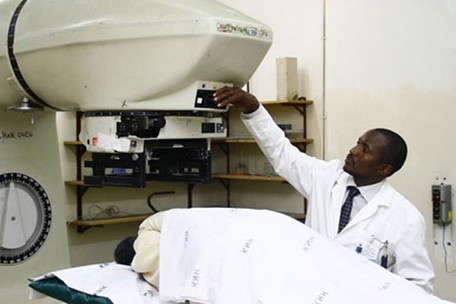
Early screening for these diseases has the potential to substantially reduce both mortality rates and treatment costs. Through this campaign, our aim is to supply hospitals throughout Kenya, Uganda, and other underserved regions with medical screening, diagnostics, and treatment equipment, with plans to gradually extend coverage across the East African region. We invite you and your organization to support this initiative by providing used or surplus medical equipment, which will be shipped to areas facing significant challenges.
How you can help
- Donate toward screening kits and diagnostics
- Provide or sponsor used medical equipment
- Partner with local hospitals for outreach
Sustenance & Educational Support
Stability for families through nutrition and learning
Our assistance extends to families facing hardship, offering essential provisions such as food, shelter, and educational support. We are committed to a holistic approach that addresses critical gaps in community well-being. To achieve this, we collaborate closely with local organizations to ensure the delivery of these vital services.
The Sustenance & Educational Support initiative aims to address fundamental social determinants of health by delivering critical resources including nutritional assistance, educational materials, and tuition support to children from low-income families affected by illness. Through collaboration with local schools and community organizations, the program ensures students remain engaged in their education and receive both nutritious meals and mentorship, supporting them as they navigate familial health challenges. These efforts are structured to disrupt cycles of poverty and disease, empowering children to achieve their full potential and contribute to the development of healthier, more resilient communities.
Program focus
- Nutritional assistance and safe shelter
- School materials and tuition support
- Mentorship and community partnerships
Support Initiative
Community center with comprehensive wellness services
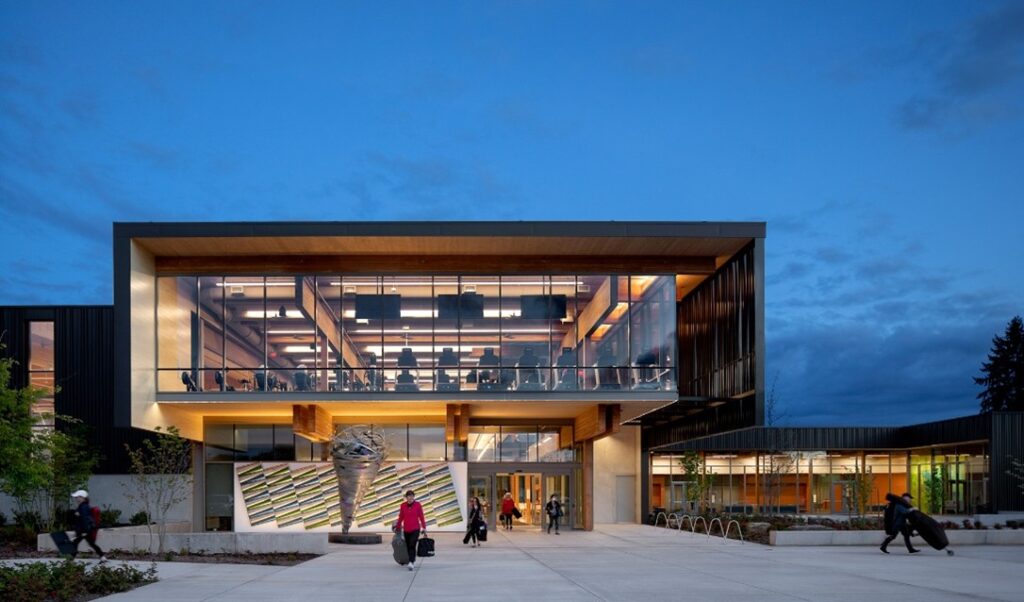
In addition to prioritizing patient wellness, our objective is to develop a community center that addresses the needs of a broad spectrum of families. The center will offer a range of services, including medical screenings and referrals, medical camps, rehabilitation, and shelter, among others. This comprehensive approach is intended to enhance our wellness initiatives and foster hope among participants.
By providing educational, wellness, vocational training, and nutritional programs, the center will support recovering patients and their families, with particular emphasis on children, women, and vulnerable individuals from nearby communities. Our primary focus is on education, enabling children and young adults to access opportunities for advancement. To facilitate this, we plan to include a fully equipped library and gym within the center, as well as dormitory accommodation for families in need. Through collaboration with local partners, we are confident that we can make a meaningful difference in the lives of numerous families.
Center Services
- Screenings, referrals, and medical camps
- Rehabilitation and temporary shelter
- Library, gym, and vocational training
Statistics
Context and urgency
According to Kenya’s Ministry of Health and Sanitation’s National Cancer Control Strategy, cancer ranks third as a cause of death after infectious diseases and cardiovascular diseases. It causes 7% of total national mortality every year. Although population-based data does not exist in the country, it is estimated that the annual incidence of cancer is about 28,000 cases and the annual mortality to be over 22,000. Over 60% of those affected are below the age of 70 years.
In Kenya, the risk of getting cancer before the age of 75 years is 14% while the risk of dying of cancer is estimated at 12%. Risk factors include tobacco use, harmful use of alcohol, and exposure to environmental carcinogens. Other risk factors include infectious diseases such as HIV or AIDS, HPV, Hepatitis B and C, Helicobacter pylori, and parasitic infestations such as schistosomiasis.
The leading cancers in women are breast, esophagus, and cervical cancers. In men, esophagus and prostate cancer and Kaposi sarcoma are the most common cancers. Based on 2002 data from the Nairobi Cancer Registry, of all the cancers registered breast cancer accounted for 23.3 percent, cervical cancer for 20 percent, and prostate cancer for 9.4 percent. In 2006, around 2,354 women were diagnosed with cervical cancer and 65 percent of these died of the disease.
It is estimated that as many as 82,000 new cases are diagnosed annually, with women exhibiting the highest prevalence rates. According to recent findings, one in every two Kenyan women is affected by cancer of either the breast or cervix. Screening at existing VCT centers and family planning clinics has been recommended.

Patient Stories
Real experiences that guide our response
Cancer, diabetes, and heart disease have become widespread in Kenya and East Africa in recent years, posing significant public health challenges. Many individuals face barriers such as poverty, limited access to information, and inadequate healthcare resources, often seeking medical attention only when their situation has become critical.
Recent changes in government healthcare policies related to insurance costs and treatment eligibility have led to restricted access and increased expenses for patients. Reports from national and provincial hospitals highlight a shortage of essential equipment, including radiotherapy and dialysis machines, placing considerable strain on resources. As patient numbers rise, hospitals struggle to provide adequate care.
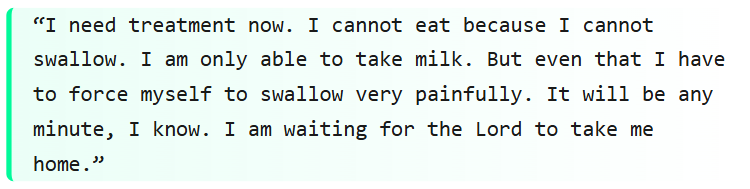
These accounts are heart wrenching. Our programs respond with targeted support that reduces early mortality and strengthens community resilience.